
Academic
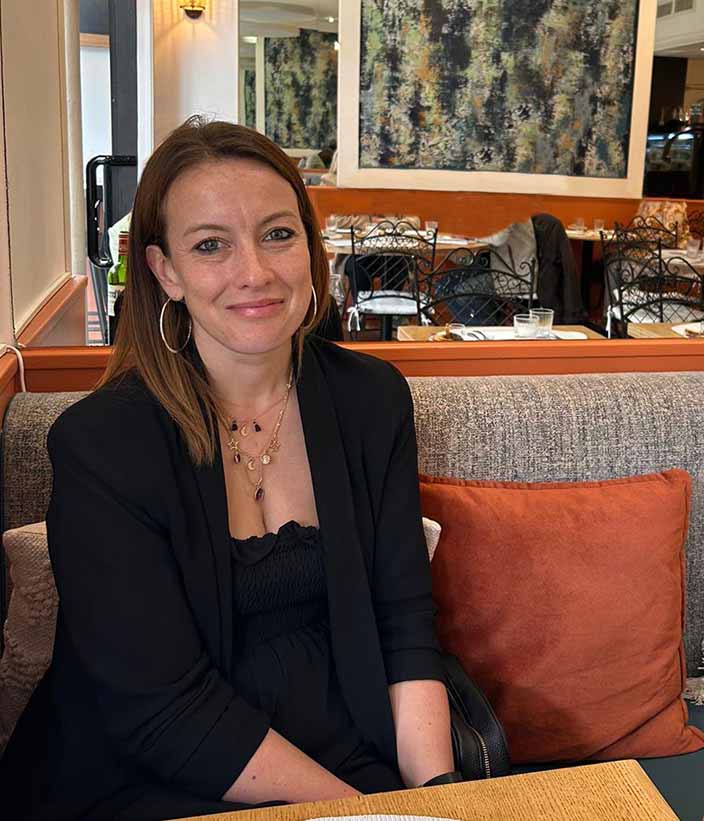
Dr. Elizabeth Bates
Dr Elizabeth Bates is an Associate Professor of Family Violence and Abuse at the University of Cumbria. Her PhD focused on the relationship of men’s and women’s partner violence to personality and psychopathology. Post-PhD, she has focused on working with male victims of domestic abuse and their children. She has published nearly over 45 peer review papers and three co-edited books. Dr Bates is also a committee member and Past Chair of the British Psychological Society’s Male Psychology Section, and a trustee of the ManKind Initiative, a UK-based male victims’ charity.
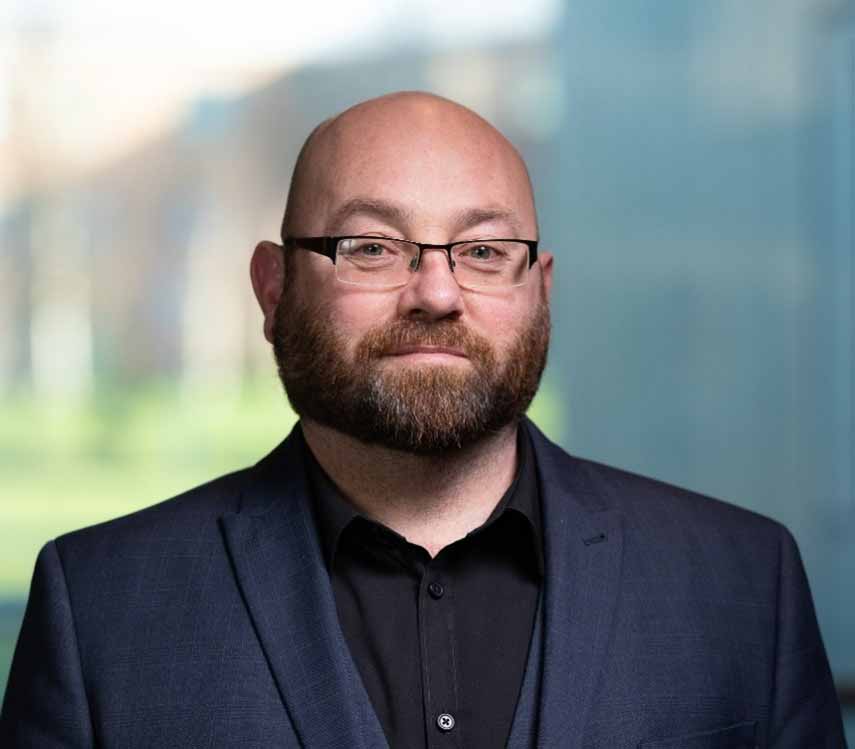
Professor Mike Hartill
Mike Hartill is Professor of Sociology of Sport at Edge Hill University and director of the Centre for Child Protection and Safeguarding in Sport (CPSS). Mike has conducted research into child sexual exploitation in sport for the past fifteen years, leading a number of national and international projects, such as the VOICE project, aimed at preventing abuse of children in sport. He has been particularly influential in highlighting the sexual abuse of boys within sports contexts and promoting better engagement with the victim-survivor community. Mike works with a wide range of organisations and charities within Europe and beyond. He served as the child protection in sport expert for the English Football Association’s independent review into allegations of child sexual abuse in football (Sheldon, 2021) and he recently led the CASES project, a large-scale prevalence study of abuse in European sport.
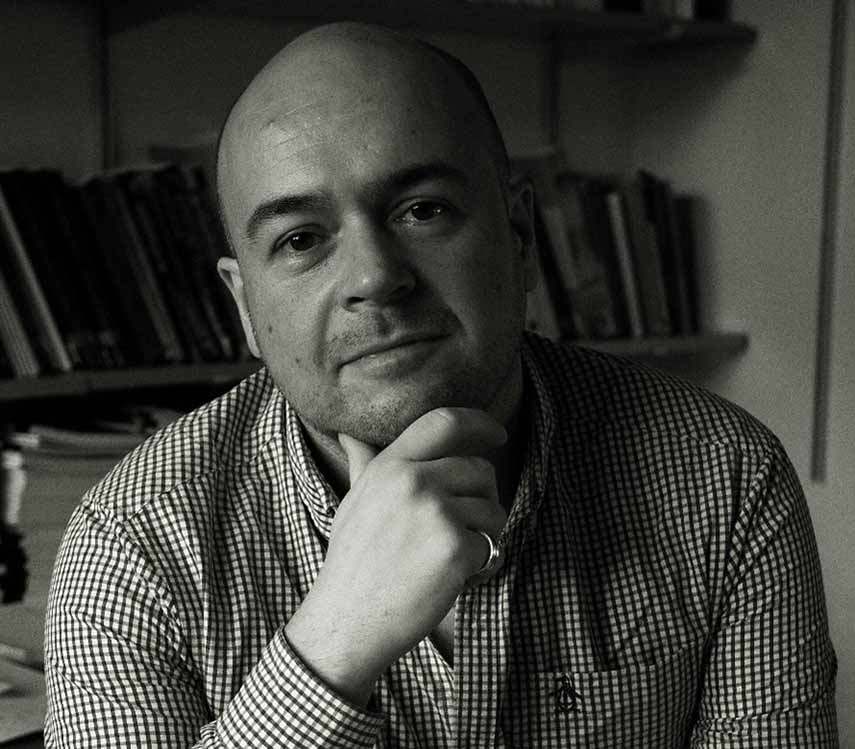
Professor Darren Langdridge
Darren is Professor of Psychology at the Open University (UK), and a United Kingdom Council for Psychotherapy (UKCP) accredited existential psychotherapist. He has also previously been Visiting Professor at Aalborg University, Denmark (2011-18) and Seattle University, USA (2014). He has acted as Head of Department of Psychology and established the teaching of counselling at the OU. For many years Darren has researched and written on sex, sexualities, masculinities and health, publishing more than 100 books, papers and book chapters. Most recently, Darren has been focusing his research on male survivors of adult sexual assault, with a scoping review on the topic just published. He also has a keen interest in public engagement with academic research. This includes work as academic consultant on the OU/BBC television co-production Prejudice and Pride and co-leading the Art of Relationships project, designed to engage the public with social scientific research.
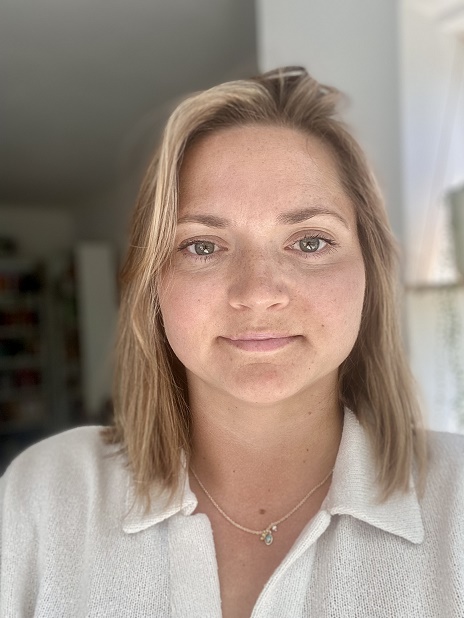
Dr. Kirsty McGregor
Dr Kirsty McGregor is a Lecturer in Criminology at Loughborough University. Kirsty is a criminologist whose work is grounded in intersectional feminist and queer perspectives. Her research explores how power operates at individual, cultural, and societal levels to create environments where violence can occur. She is particularly focused on the experiences of marginalised groups whose voices are often overlooked, including children and adolescents, LGBTQIA+ communities, and male survivors. Through critical analysis of dominant narratives, practices of violence, and institutional responses, Kirsty’s work sheds light on the broader cultural and structural dimensions of harm. Her research aims to identify new ways of understanding and addressing violence through an intersectional lens. Kirsty’s current projects investigate the infrastructures that shape responses to domestic and sexual violence, through policy, institutional frameworks, or grassroots community efforts, to reimagine more inclusive, effective, and survivor-centred approaches.
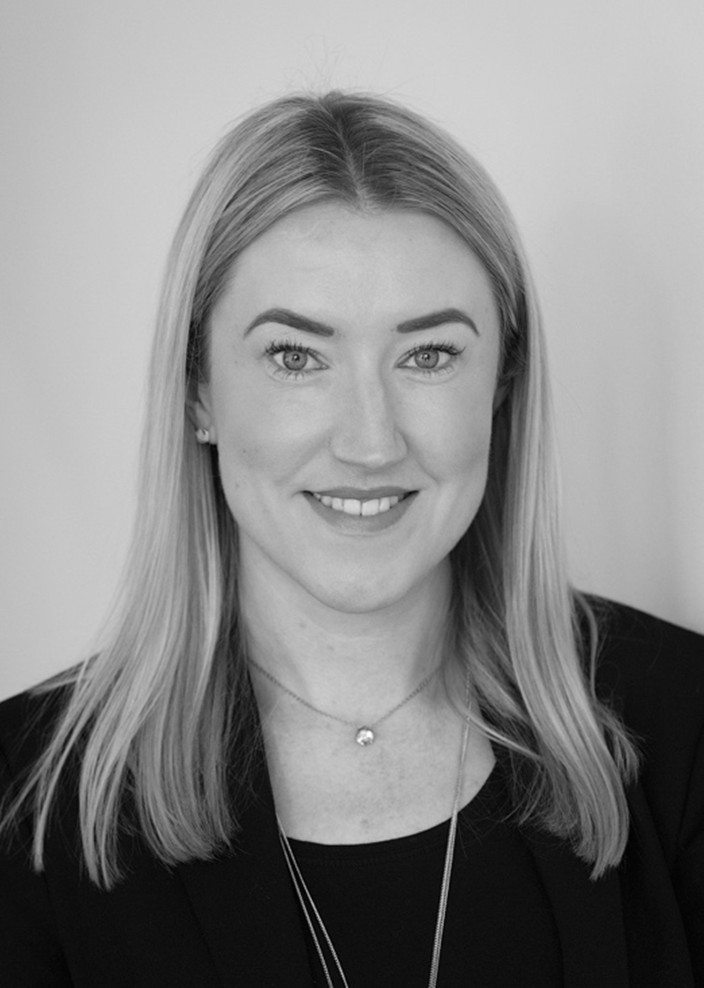
Dr. Siobhan Weare
Dr Siobhan Weare is a Reader in Law at Lancaster University Law School. She is currently leading an ESRC funded research project, ‘Trial by Gender? Examining jury decision making in cases of rape and sexual abuse involving male victims.’ She previously co-led the JiCSAV (Justice in Covid-19 for Sexual Abuse and Violence) project, which was funded by the ESRC/UKRI Rapid Response to Covid-19. Siobhan researches in the area of sexual offences, criminal law, and criminal justice, and she conducted the first research project in the UK on forced-to-penetrate cases, capturing the experiences of male survivors. She was awarded funding from the British Academy to support this work. Siobhan’s research has been published in leading international journals and has also received extensive media coverage, including on the BBC, Channel 4 News, and LBC Radio. Her research has influenced both policy and practice related to supporting male survivors of sexual violence. Click the link for access to further information and Siobhan’s publications.
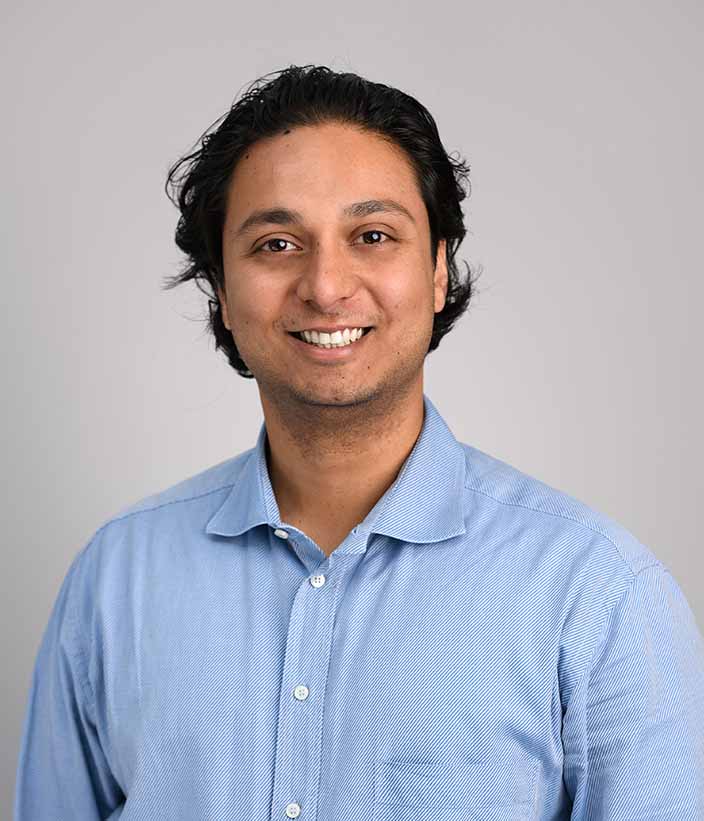
Dr. Kennath Widanaralalage
Dr Kennath Widanaralalage is a Lecturer in the Department of Psychology at the Institute of Psychiatry, Psychology & Neuroscience, King’s College London. His research focuses on the experiences of male survivors of sexual violence across different age groups and ethnic backgrounds. He examines the processes of disclosure, recognition, and help-seeking, exploring how socio-cultural factors, masculinity norms, and institutional responses shape survivors’ access to support and justice. His work also investigates victim blaming, rape myth acceptance, and barriers within the criminal justice and mental health systems. He is particularly interested in how men’s experiences of sexual violence are perceived by society, professionals, and survivors themselves, and how these perceptions influence reporting, investigation, prosecution, and aftercare. Through empirical research, he aims to challenge misconceptions, improve service responses, and inform policies that enhance support and recognition for male survivors of sexual violence.
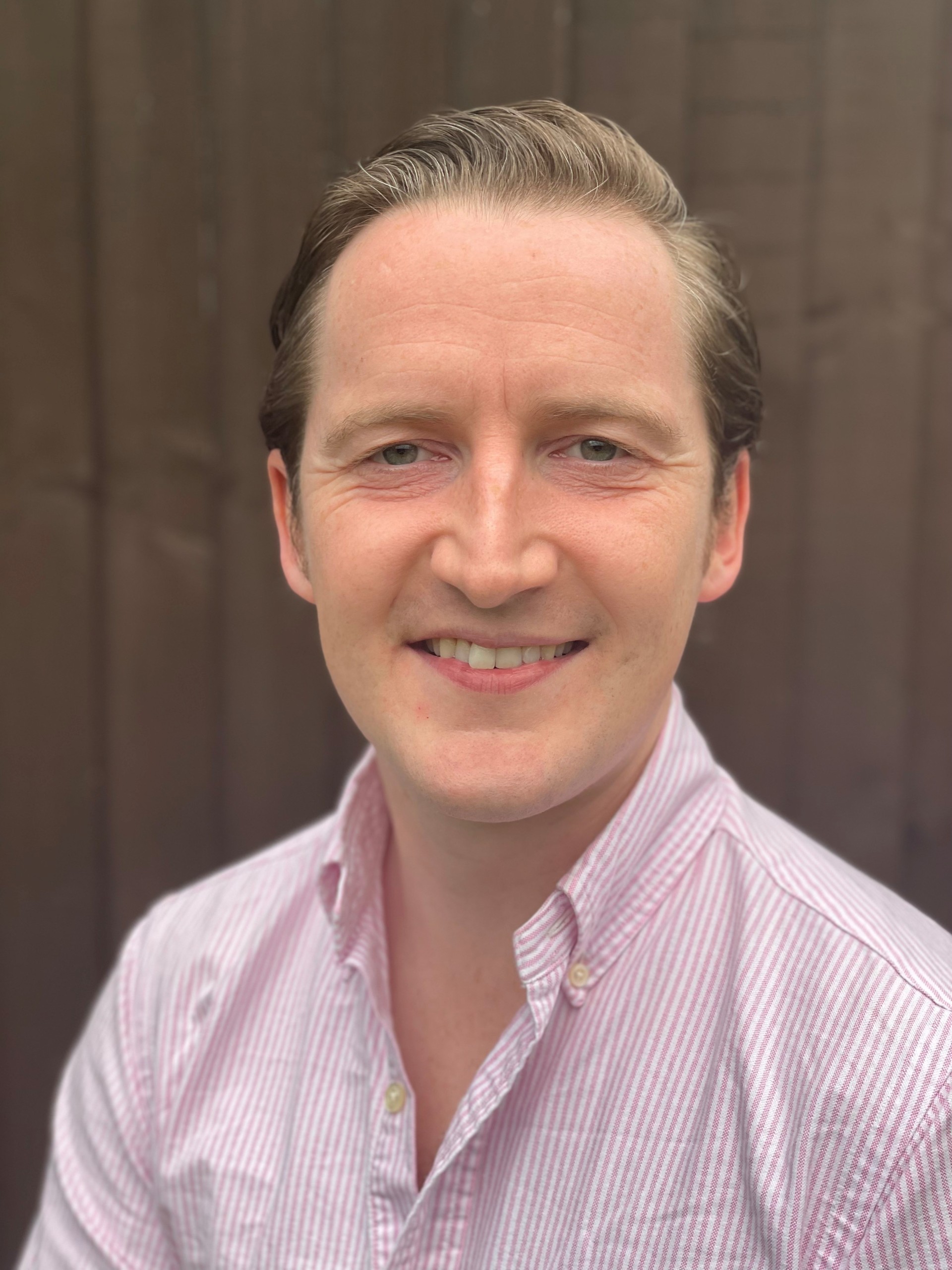
Dr. Anthony Murphy
Dr Anthony Murphy is an Associate Professor of Forensic and Applied Psychology at the University of Birmingham. His research lies at the intersection of forensic and clinical psychology, with a particular focus on sexual and violent crimes. This includes work on domestic abuse, rape, sexual assault, child abuse and neglect, as well as the functioning of criminal justice systems and barriers to justice. Methodologically, Anthony adopts a pragmatic approach, drawing on quantitative, qualitative, and mixed methods to address complex questions. His research is underpinned by an interest in ecological frameworks, which consider how individual, relational, community, and societal factors interact to shape risk, and in intersectionality, recognising how overlapping social identities can influence vulnerability, victimisation, and offending. Through this work, he seeks to generate evidence that can inform effective interventions, improve justice responses, and contribute to broader understandings of violence, trauma, and resilience in diverse contexts.
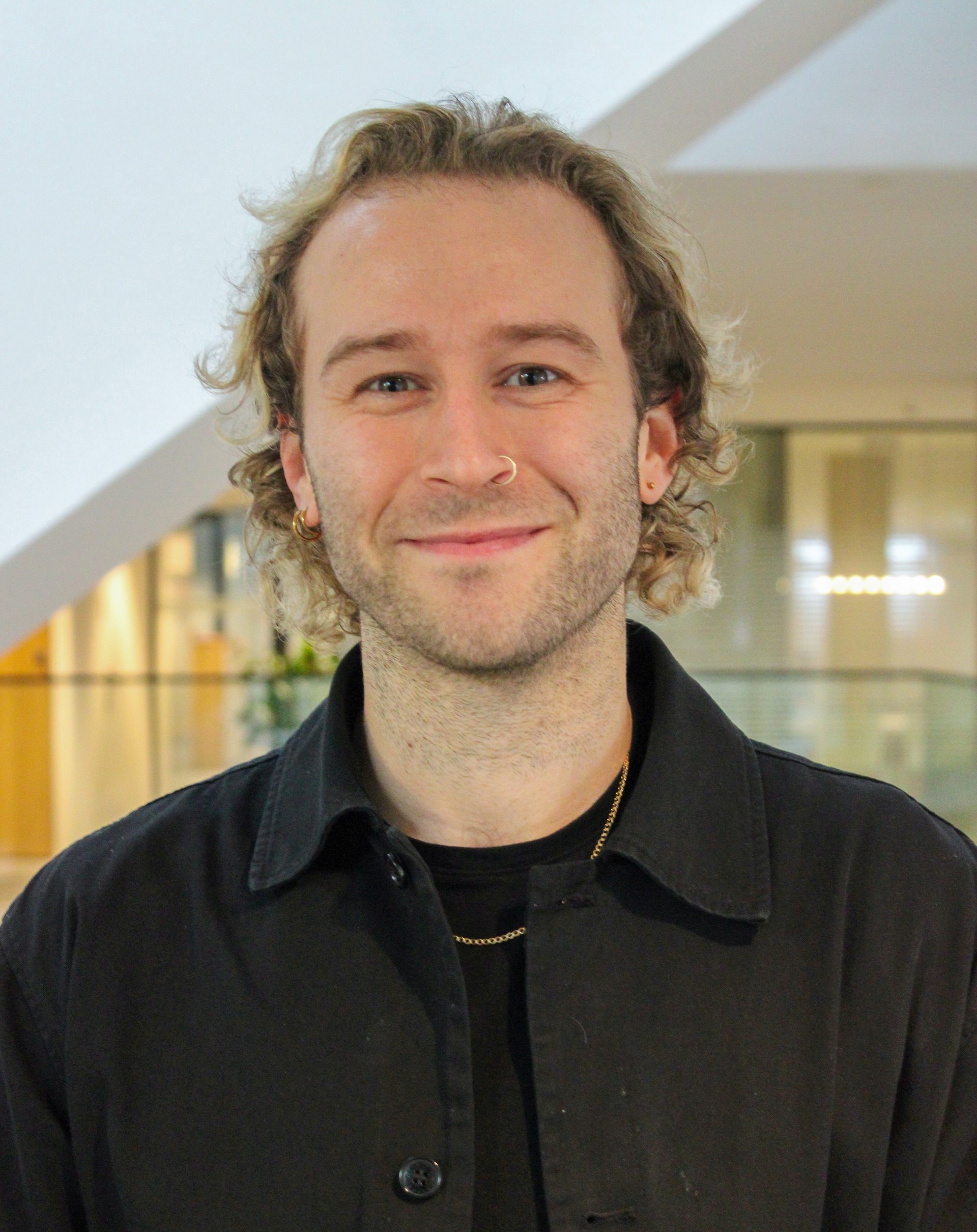
Dr. Carl Bonner-Thompson
Carl is an Assistant Professor of Urban (In)Justice in the Department of Human Geography and Spatial Planning at Utrecht University in the Netherlands. His research explores the intersections of masculinity, emotion, and care. He was also part of the MUSE project in the UK, an interdisciplinary collaboration examining the barriers that prevent men who are survivors of sexual violence from accessing timely and appropriate care.

Dr. Chris Waugh
Dr Chris Waugh is a Lecturer in Sociology & Criminology at Manchester Metropolitan University. His research explores men and masculinities, emotions and affect, and the politics of gendered harm. His work examines how masculinities are constructed and negotiated within social movements, popular culture, and experiences of vulnerability, care and violence. He is currently leading a qualitative and policy-oriented project on sex-for-rent arrangements in the UK, conceptualising them through zemiology and the sociology of harm. Chris also teaches and writes on gender violence, embodiment, and social justice, and is particularly interested in how men’s experiences of harm and victimisation intersect with broader gendered structures of power and emotion.
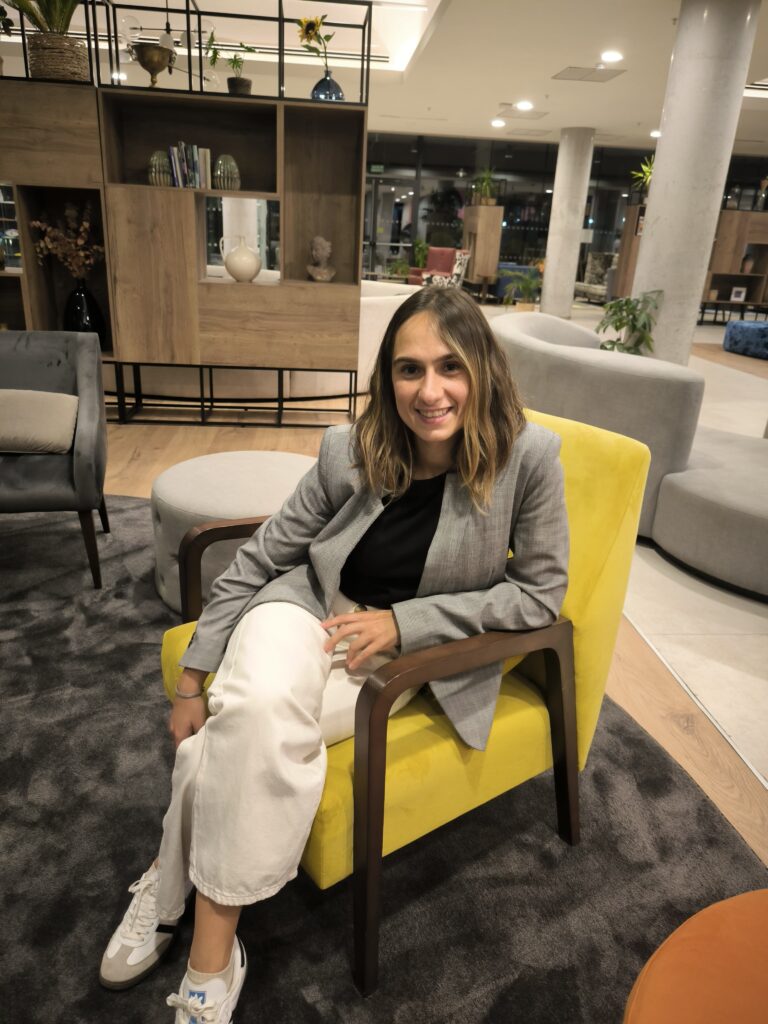
Dr. Andrea Sáenz Olmedo
Andrea Sáenz Olmedo holds a PhD in Physical Activity and Sports Sciences from the University of the Basque Country in Spain. Her doctoral thesis focused on analysing the perceptions and experiences of sexual violence in team sports among school-age children. Over the last five years, she has worked directly with survivors and sports organisations. She has also led four Basque Government-funded projects to prevent interpersonal violence in sport, carrying out co-creation-based interventions to jointly develop protection and training protocols with local clubs and federations. Through training, awareness-raising and support, her work seeks to translate evidence into practice, and she is the founder of Safe Environments in Sport and Education, a non-profit organisation focused on protection in sport and schools in Spain.
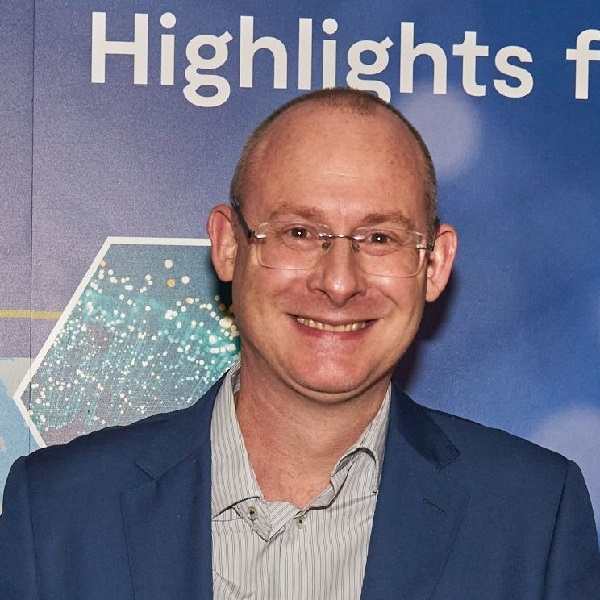
Professor David Gadd
David Gadd is Professor of Criminology at the University of Manchester. He is best known for his in-depth interview research in the fields of domestic abuse, sexual assault, masculinities and crime, racial harassment, desistance from crime, modern slavery and people trafficking. Much of David’s research is characterized by a distinctly psychosocial approach to criminological problems, especially violence perpetration. His first book (co-written with Tony Jefferson) Psychosocial Criminology was published by SAGE in 2007. Subsequent book’s David has co-authored and coedited, include:Losing the Race; Young Men and Domestic Abuse; the SAGE Handbook of Criminological Research Methods, Response Based Approaches to Interpersonal Violence and (co-authored with Rose Broad) Demystifying Modern Slavery. David is currently working on the Making Change Meaningful Project with Jess Glynn, exploring what can be done to improve the lives of male prisoners who have been subjected to sexual assaults.
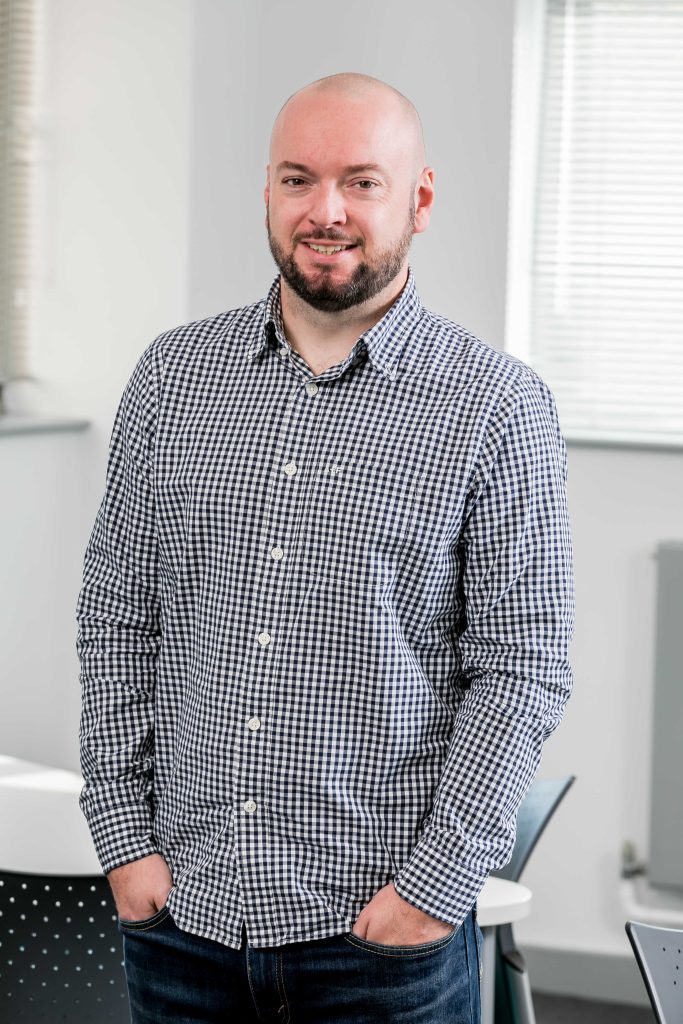
Dr. Duncan McPhee
Duncan McPhee is an Associate Professor of Criminal Justice at the University of the West of England. With a multi-disciplinary background in Law and the social sciences, Duncan has produced a range of works that explore the criminal justice response to sexual assault, rape and domestic violence. These works include research relating to specialist rape investigation teams, ‘offender centric’ strategies of policing and prosecution, and one of the largest UK-based studies exploring the criminal justice trajectories of reported domestic violence incidents. Duncan’s work, published in leading law and criminology journals, has received grant support from external bodies such as the Leverhulme Trust, the Police STAR Fund and the ESRC.
Doctoral Candidates and Postgraduate Members
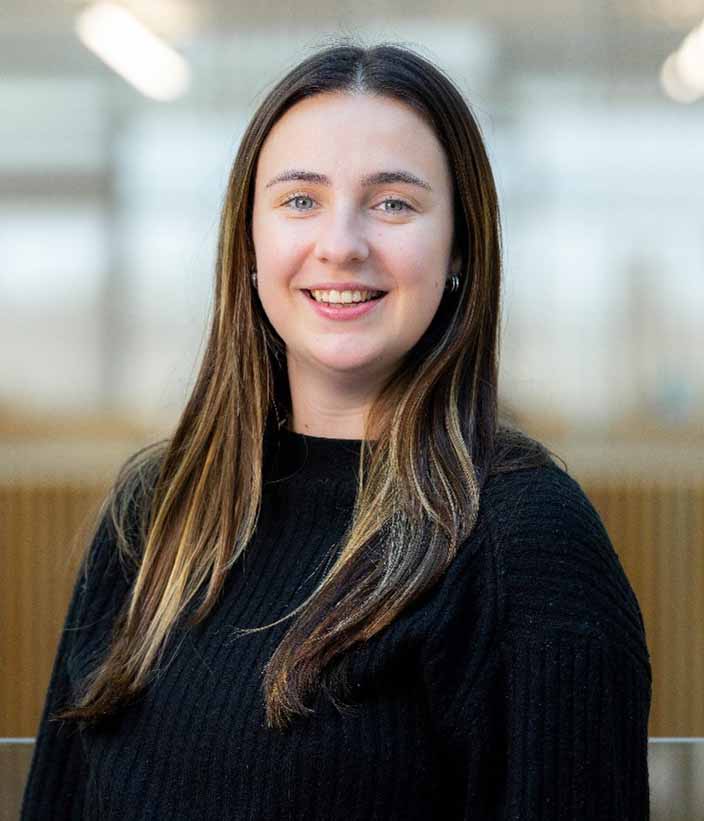
Kathryn Bovington
Kathryn is a Postgraduate Researcher and Graduate Teaching Assistant in Social Sciences at Edge Hill University. She received an MA in Criminology at the University of Manchester in 2018, having completed her undergraduate studies in Forensic Science at the University of Kent. She joined Edge Hill University in 2024 and is currently working on her PhD researching sexual violence against boys and men whilst teaching across several degree programmes at Edge Hill, including Sociology and Criminology. Her research interests are identity, gender, intersectional research, sexual violence and abuse, and qualitative research methods.
Kathryn is currently researching identity and male survivorship. Her research aims to build a greater understanding of the way that identities, such as gender, ethnicity, class, sexuality, religion, disability and citizenship, shape the lives and experiences of men in the UK. Through interviews with stakeholders and life history research with men who have experienced sexual violence, her research focuses on developing current understanding of the unique challenges male survivors face depending on their identities and life circumstances.
Disha Handique
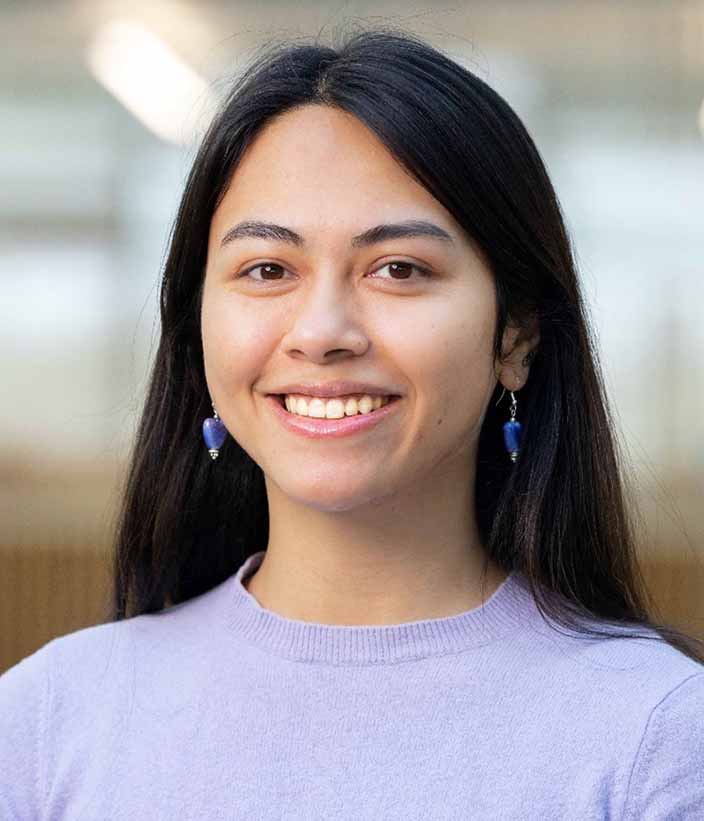
Disha is a Postgraduate Researcher and Graduate Teaching Assistant in Social Sciences at Edge Hill University. She received an MA in Social Work from the University of Delhi in 2021, and obtained her undergraduate degree in Political Science from Hindu College (University of Delhi). She is currently pursuing her PhD on Sexual Violence Against Men and Boys at Edge Hill University, while teaching across several degree programs, including Criminology and Social Policy.
Disha’s work focuses on understanding cultural influences on the process of disclosure for male survivors of child sexual abuse in India and the UK. She is particularly interested in exploring stigma, victim-blaming, sexual abuse, and cultural influences on how victims perceive abuse. Using a comparative approach, she investigates societal attitudes, legal and institutional responses, barriers to disclosure, and support systems available for survivors. Her work aims to contribute towards informing culturally sensitive, survivor-centred policies and interventions.

Jessica Glynn
Jess is a Postgraduate Researcher in the Criminology Department at the University of Manchester. She holds undergraduate and Masters degrees in Forensic Psychology and has been involved in various research projects centred around victimology and trauma, including vicarious post-traumatic growth, victim services, and the emotional impact of jury duty. Her PhD research focuses on men in prison who are survivors of sexual abuse. Using a combination of focus groups with prison-based therapists, Free Association Narrative Interviews with male prisoners, and analysis of a statistical dataset, the research elaborates on the nature of change that is possible for men in prison who have embarked on trauma-informed therapy. The aim of this research is to illustrate what is required to help prisoners and criminal-justice-involved men navigate the aftermath of sexual victimisation, whilst also contending with the psychological, social, and relational harms that criminalisation and imprisonment have left them with.
Julia Albrecht
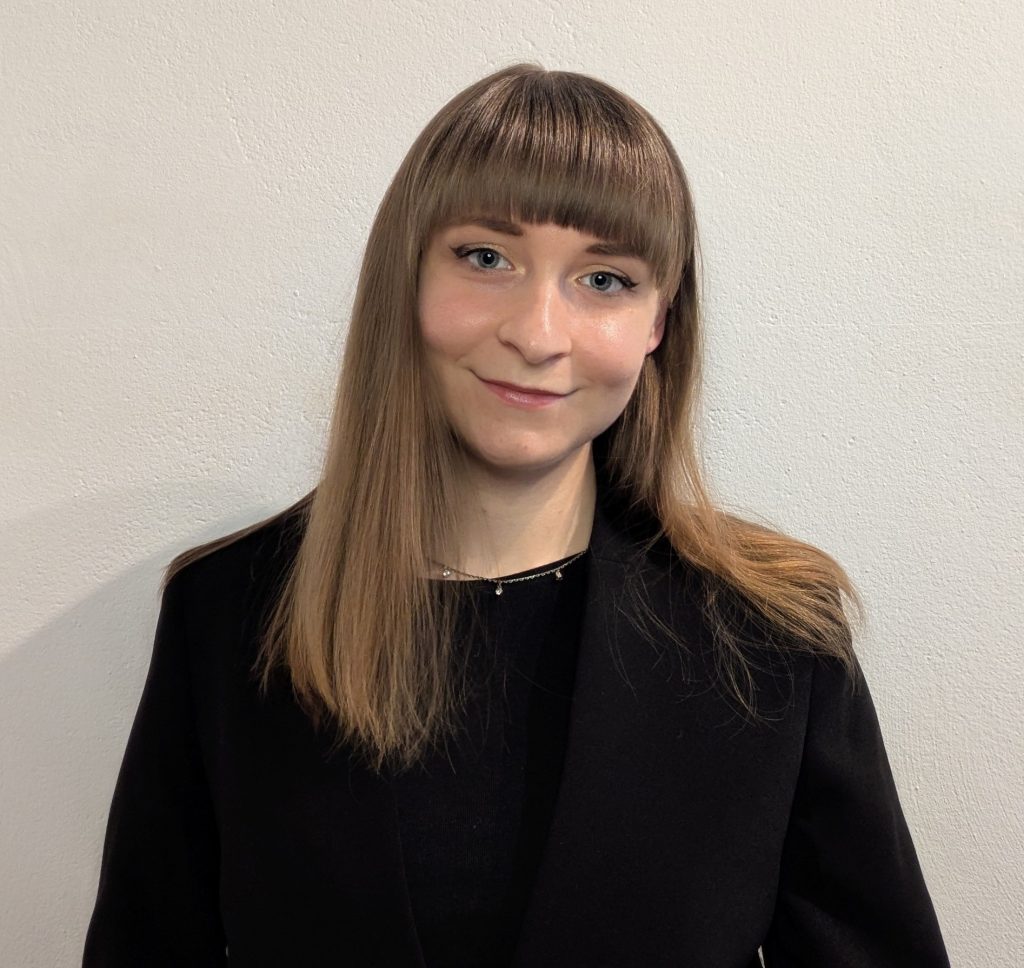
Julia is a Master’s student in Criminology at the University of Regensburg in Germany. She has a background in psychology, with additional training in gender studies, and over three years of experience as a research assistant working across both qualitative and quantitative projects. Her academic interests lie in gendered violence and victimology, particularly male victimisation, with a focus on identity, masculinities, and intersectionality. Her Master’s thesis explores identity work among male victims of intimate partner violence, building on earlier coursework on barriers to accessing support within this population. Previously, her Bachelor’s thesis examined the influence of perceived gender conformity on victim blaming towards male victims. More broadly, Julia’s work seeks to challenge stereotypes around victimisation and contribute to a more nuanced understanding of underrepresented victim groups.