

SustainNET members have supervised a range of summer internship projects as part of the university’s RIMES opportunity. The RIMES project supports undergraduates from minoritised backgrounds to gain experience of research, via staff led projects, most recently, with external partners.
A sample of these projects are presented below in research themes.
Food:
Assessing the nutritional value of recipes for FoodFutures – To support the Lancashire community to eat local produce, that is both seasonal and nutritious, Raghad, a third-year medical student analysed the nutritional value of recipes developed for FoodFutures. Recipes were produced by local chefs and community members, to represent the preferences of the diverse Lancashire region. The nutritional information was used to develop suggestions to enhance the nutritional quality and make use of more locally produced ingredients. To read more, click on Issue 15 page 12-13
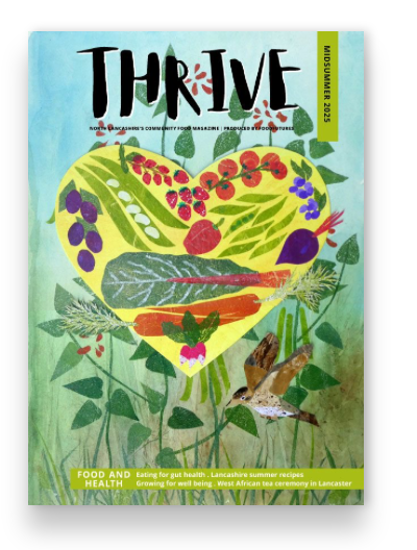
Content analysis of UK higher education institutions food sustainability policies: Stuart Baker, a second-year biology student worked along Dr Claire Blennerhassett and two final year undergraduate nutrition students (Emma Reeder and Beth Turton) to systematically evaluate University commitments to sustainable food provisions on campus. This project was subsequently published in the academic journal Public Health Nutrition and findings have been shared with the Head of Sustainability.
Hearts, Minds and Stories
Data-Driven Futures:
Business, Innovation & Enterprise in Botanic Garden Tourism

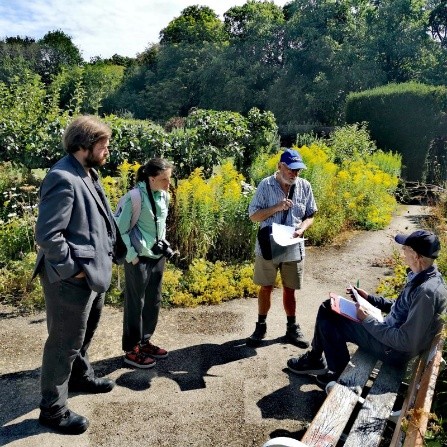
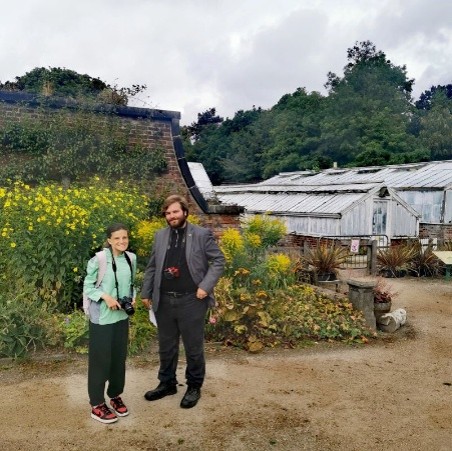

“How might artificial intelligence help botanic gardens become even more innovative, transformative, engaging, accessible and sustainable visitor economies?”
This was the question explored by RIMES interns Olivia Furness and Callum Grady, working with Nick Catahan and external mentors Michelle Hopwood (Planning Officer, Liverpool City Council & University of Liverpool), Steve Lyus (Liverpool Botanical Trust) and partners from the inspiring flagship Liverpool Botanic Garden portfolio of assets at Liverpool City Council’s Croxteth Country Park and Hall’s Walled Garden, Sefton Park Palm House, Liverpool City Council’s Central Library and Archive, North West Plant Heritage Group, and others from across the Liverpool City Region. The project examined how AI and emerging digital technologies are already being used across botanic gardens and comparable visitor attractions, and what these developments might mean for the future of #BotanicGardenTourism.
Download the full Business, Innovation & Enterprise in Botanic Garden Tourism [PDF]
How to apply:
Eligibility criteria: for information about who can apply to RIMES >>
Timeline: The typical application process and internship timeline is summarised below.
- Research proposals – academics submit project proposals to the graduate school in May.
- Advertisement – the approved projects are advertised to students at the end of May
- Application deadline: the deadline for student applications is mid June
- Project launch: Successful student applicants begin the research internship under the supervision of the project leader in July, after attending the RIMES launch event
- Project completion: all student intern project activities are completed by the end of September
- Celebration event: all student interns present the project findings at the research showcase in November/December